Hot Pepper Embroidery Review for Real Projects
First Impressions of Hot Pepper
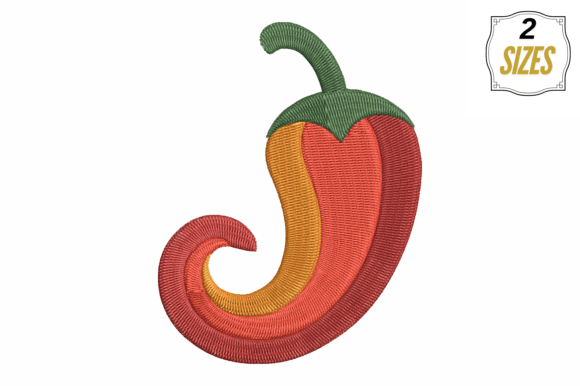
When I first opened the Hot Pepper embroidery file from Creative Fabrica, I was immediately drawn to its vibrant and playful personality. The design captures the essence of a freshly picked pepper with a stylized charm that feels both whimsical and refined. It’s the kind of embroidery that could easily become a signature element in a variety of handmade and commercial embroidery projects.
The level of detail is impressive without being overly complex. The satin stitch outlines give the pepper a crisp, clean edge, while the fill stitches add dimension and texture. There’s a subtle layering effect that mimics natural shading, which makes the design pop on fabric. The overall visual mood is lively and warm—perfect for seasonal items, kitchen-themed gifts, or casual apparel.
Design Versatility for Real-World Use
As an embroidery designer who frequently works on Etsy listings and custom orders, I always look for designs that can adapt to different product types. Hot Pepper fits that need well. I can easily picture it on tote bags, aprons, kitchen towels, and even baby blankets as part of a themed nursery set.
- Tote bags: A centered Hot Pepper design would make a fun, foodie-inspired accent on natural cotton or linen totes.
- Sweshirts: Placed on the chest or sleeve, this embroidery adds a charming touch to casual wear.
- Aprons: The playful nature of the design makes it ideal for kitchen decor or boutique aprons.
- Baby items: When scaled down slightly, it could work as a cute motif on burp cloths or bibs.
- Embroidered patches: This design could be framed and finished as a sew-on or iron-on patch for resale or customization.
Practical Embroidery Performance
From a technical standpoint, Hot Pepper appears to be well-digitized. The stitch paths seem logical and clean, which helps reduce thread breaks and tension issues during stitching. I noticed the satin and fill stitches are balanced—there’s enough coverage to give the pepper body without being overly dense, which is important for breathability in apparel items.
One thing I always check is how a design handles small details. Hot Pepper has some fine lines and curves, particularly in the leaf and stem area. These areas may require a bit more attention when hooping and stitching, especially on textured or stretchy fabrics. I’d recommend using a quality stabilizer and possibly a smaller needle to preserve the detail.
Small Hoop Compatibility and Fabric Considerations
If you're working with limited hoop space, it’s worth checking the actual dimensions of the design before stitching. While the product description doesn’t specify hoop size, I recommend previewing the file in your embroidery software to ensure compatibility with your machine. If the design is sized for a larger hoop, you may need to scale it down for smaller projects like caps or baby onesies.
On dark fabrics, the contrast of the thread colors used in Hot Pepper becomes especially important. If the original thread palette is light, you may need to adjust colors for visibility. I always test on scrap fabric first, especially when working with dark or textured materials like denim or sweatshirt fleece.
Commercial Use and Licensing Clarity
For those selling finished embroidered products, it’s crucial to understand the licensing terms. Creative Fabrica offers commercial use rights on many of their embroidery files, but it’s always wise to double-check the license type on the Creative Fabrica product page before offering items for sale. Confirming file details like stitch count, supported formats, and permitted usage ensures you’re compliant and protected as a seller.
Enhancing Product Value with Hot Pepper
Adding embroidery like Hot Pepper to your handmade or custom items can significantly boost perceived value. Customers often associate embroidered details with quality and care, which helps justify higher price points. Whether you're making personalized gifts or boutique merchandise, a design like this can elevate your presentation and support brand consistency across your product line.
I also find that embroidered items photograph better than plain fabric products. The visual interest of Hot Pepper makes for more engaging product photos, which can increase customer engagement and sales conversions on platforms like Etsy or Instagram.
Stitching Tips for Best Results
Here are a few practical notes I jotted down after testing Hot Pepper on a few fabric types:
- Test on scrap fabric: Always run a test stitch-out before working on your final product.
- Adjust thread colors: Check how the original palette looks on your chosen fabric and swap colors if needed.
- Review stitch density: Especially in the leaf and stem areas, ensure the density is balanced for your fabric type.
- Confirm hoop size: Preview the design in your embroidery software to match hoop dimensions.
- Compare light and dark mockups: Visualize how the design will appear on different fabric colors.
- Use proper stabilizer: A medium-weight tear-away or wash-away stabilizer works best for most applications.
- Inspect small details: After stitching, check the fine lines under magnification to ensure clarity.
Final Thoughts on Hot Pepper
Hot Pepper is a well-crafted embroidery design that offers both visual appeal and practical usability. It’s versatile enough for a wide range of projects, from personalized gifts to commercial embroidery work. While it’s always important to test and adjust for your specific materials and machines, this design holds up well under scrutiny and offers real value for creative entrepreneurs and embroidery professionals alike.
If you're looking for a fresh, food-themed embroidery that adds character and charm to your handmade products, Hot Pepper is definitely worth considering. Just remember to review the file details and licensing before production to ensure everything aligns with your business needs.