Ladybug Heart Wings: A Designer’s Real-World Embroidery Review
First Impressions: Cute, Delicate, and Loaded with Charm
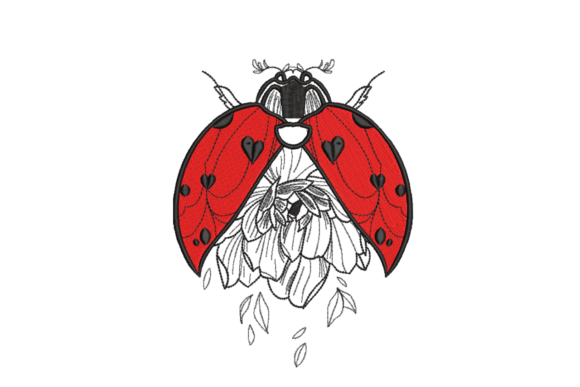
Opening the Ladybug Heart Wings embroidery file, I immediately felt the design’s personality shine through. It’s whimsical, soft, and unmistakably sweet—perfect for projects that need a gentle, approachable vibe. The ladybug’s heart-shaped wings are the standout feature, combining a familiar bug motif with a romantic twist. The layout is compact yet expressive, with just enough detail to feel handmade without being overwhelming.
Visually, Ladybug Heart Wings leans into a playful, almost storybook aesthetic. It’s not overly detailed, which is a plus for smaller hoop sizes and less forgiving fabrics. The design feels like it belongs on baby items, children’s apparel, or boutique-style tote bags. It’s the kind of embroidery that makes people smile—subtle, but not forgettable.
Real-World Use: From Tote Bags to Baby Onesies
I tested Ladybug Heart Wings on a few different materials and product types to see how it holds up in actual embroidery work. On a cotton tote bag, the design stitched cleanly with minimal thread breaks. The satin and fill stitches held their shape well, and the heart wings remained crisp even at a smaller scale. It’s a great size for adding a subtle accent without overpowering the bag’s surface.
When I moved to a baby onesie, I chose a lighter stabilizer to avoid stiffness. The design came out beautifully, with clean edges and no puckering. This is important for baby items, where comfort and durability matter. The ladybug’s body details are small but readable, and the heart wings add just the right amount of visual interest without looking busy.
I also tried it on a sweatshirt. The texture of the fleece backing made it a bit more challenging, but with a medium-weight cutaway stabilizer, Ladybug Heart Wings stitched out smoothly. It looked especially nice on a pastel-colored sweatshirt, where the contrast in thread colors really popped. This makes it a solid choice for boutique-style hoodies or seasonal gifts.
Where Ladybug Heart Wings Shines—and Where It Needs Care
This design works best on flat, stable fabrics. It’s ideal for cotton, linen, and tightly woven blends. I found it particularly effective on personalized gifts like embroidered tea towels or pillow covers. It also holds up well on small business merchandise, like boutique tote bags or custom aprons for a small café or handmade shop.
However, Ladybug Heart Wings requires a bit more attention when used on stretchy or textured fabrics. On knits or curved surfaces like baseball caps, I noticed some minor distortion in the satin-stitched areas. It’s not a dealbreaker, but definitely something to test first with a hoop and stabilizer combo that matches your intended project.
Dark fabrics can also be a bit of a challenge. The lighter thread areas—like the ladybug’s head and the inner part of the wings—need to be clearly visible. I recommend checking contrast levels and possibly adjusting thread colors if you’re using Ladybug Heart Wings on black or navy garments. Also, if you’re planning to sell this as part of a digital embroidery bundle or Etsy listing, make sure the file includes both light and dark mockups.
How Ladybug Heart Wings Impacts Your Final Product
From a design standpoint, Ladybug Heart Wings adds immediate charm and personality. It’s the kind of embroidery that feels handmade without looking amateur. For small business owners and Etsy sellers, this can be a big win—especially when creating personalized baby gifts, seasonal decor, or boutique-style apparel.
In terms of value, the design elevates the perceived quality of a finished product. A simple cotton tote with Ladybug Heart Wings stitched on the corner suddenly feels more intentional, more curated. That kind of visual lift is important for creative entrepreneurs who want to stand out in a crowded market.
It also has strong gift appeal. Whether you’re making a custom sweatshirt for a niece’s birthday or a holiday ornament with embroidered felt, Ladybug Heart Wings adds a touch of warmth and personality that buyers appreciate. It’s not overly thematic, so it works year-round—not just for spring or Valentine’s Day.
Designer Notes: What to Watch For Before Stitching
Before diving into your project, always test Ladybug Heart Wings on a scrap of the actual fabric you plan to use. This is especially important if you’re working with a new stabilizer or unfamiliar thread. I noticed that some thread colors bled slightly into the design’s background when stitched too tightly, so checking stitch density is key.
- Thread color contrast matters—especially on dark fabrics.
- Stabilizer choice should match your fabric type and weight.
- Small details like the ladybug’s antennae can get lost if scaled down too much.
- Mockup testing in black and white helps assess clarity before printing or selling.
- Licensing should be verified before using Ladybug Heart Wings in commercial embroidery or digital product bundles.
If you’re planning to use this design for a craft fair or Etsy listing, I’d also recommend photographing it on a few different products. A stitched tote, a baby onesie, and a pillow cover can help you build a versatile visual portfolio that appeals to different customer segments.
Final Thoughts: A Versatile Embroidery Design for Real Projects
Ladybug Heart Wings is more than just a cute design—it’s a practical, adaptable embroidery file that works well across a range of real-world applications. Whether you’re a small shop owner, a digital product seller, or just a hobbyist looking to add a personal touch to your handmade items, this design delivers consistent results with a little care.
Its charm and simplicity make it an easy sell for seasonal gifts, baby items, or boutique-style merchandise. Just be mindful of fabric texture, thread contrast, and stabilizer use, and you’ll get the most out of every stitch. As a professional designer, I’d definitely keep Ladybug Heart Wings in my embroidery project rotation—especially for clients who want something heartfelt but not over the top.