Certified Stamp: A Subtle Touch for Real Embroidery Projects
First Impressions: Simple Yet Memorable
As a designer who reviews dozens of embroidery files each month, I approach each one with a practical eye — not just for how it looks on screen, but how it translates to fabric and ultimately, to a finished product. Certified Stamp immediately caught my attention for its clean, understated design. It doesn’t scream for attention like some bolder embroidery files. Instead, it offers a quiet confidence — the kind that works well in professional settings, personalized gifts, and boutique merchandise.
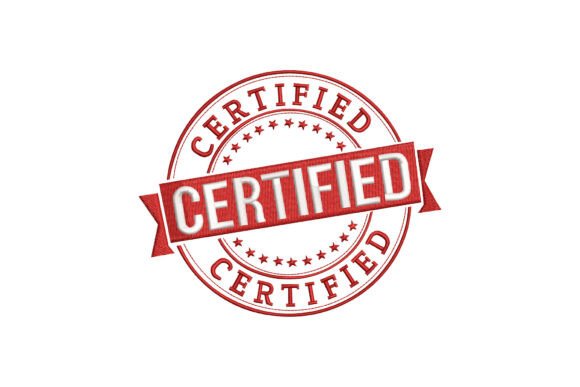
The design feels like a modern take on a classic seal or emblem. It has a balanced layout, with a central motif surrounded by subtle text and a clean outer frame. The visual personality leans toward minimalism, but with enough detail to maintain interest. This makes Certified Stamp a versatile option for anyone in the craft or apparel business looking to add a touch of professionalism without overwhelming the fabric.
Real-World Use: From Tote Bags to Baby Onesies
I recently tested Certified Stamp on a custom tote bag for a small local boutique. The goal was to create a reusable shopping bag with a subtle brand accent. I stitched the design in a soft navy thread on natural cotton canvas. The result was exactly what I hoped for — clean, legible, and tasteful. It didn’t distract from the bag’s function but added a hint of craftsmanship that customers appreciated.
Next, I tried it on a baby onesie, using a lighter thread color on a pastel background. The design scaled well, maintaining clarity even at a smaller size. There’s something about Certified Stamp that reads as “official” without being too formal — perfect for baby items, personalized gifts, or boutique nursery decor.
For a holiday project, I stitched it onto a set of kitchen towels in red thread. The contrast was bold but not garish, and the design held up well through multiple washes. This is a great example of how Certified Stamp works across seasons and themes, especially when you vary thread color and fabric type.
Where Certified Stamp Shines
- Custom Apparel: Whether on a sweatshirt or a cap, this design adds a clean, branded look without competing with the garment’s style.
- Personalized Gifts: Its subtle charm makes it a great fit for monogrammed items or gift tags stitched onto blankets and pillows.
- Small Business Merchandise: Etsy sellers and boutique owners can use it on packaging, tags, or product labels to build brand recognition.
- Digital Mockups: When previewing embroidered products online, Certified Stamp looks sharp in printable mockups, helping buyers visualize the final item.
Where to Use It Carefully
While Certified Stamp is quite adaptable, there are a few situations where you’ll want to test the design first:
- Small hoop sizes: If you're working with a limited hoop, check that the details — especially the text — remain legible after stitching.
- Textured or stretchy fabrics: These materials can distort satin stitches or cause puckering if not stabilized properly.
- Dark or patterned backgrounds: The design may get lost if the fabric is too busy or too dark without adjusting thread colors.
- Curved surfaces: Caps and curved patches require careful hooping and possibly design adjustments to maintain symmetry.
- High-wear items: For frequently washed items like baby clothes or kitchen towels, ensure the stitch density is sufficient to hold up over time.
Impact on Product Value and Customer Trust
As someone who sells custom embroidered items online, I know how important it is for a design to look finished and professional. Certified Stamp elevates the presentation of a handmade product without making it feel mass-produced. It’s the kind of embroidery file that says, “This was thoughtfully made,” which can help build customer trust, especially for newer Etsy sellers or small shop owners.
When used consistently across items — say, on gift tags, packaging, or product labels — Certified Stamp can also help with brand recognition. It’s a simple but effective visual anchor that customers begin to associate with quality and attention to detail.
Designer Notes: What to Check Before Stitching
Before using Certified Stamp in a real project, here are a few practical checks I recommend:
- Test on scrap fabric: Always run a test stitch to see how the design lays out and how the thread interacts with the material.
- Review stitch density: Make sure the fill stitches are tight enough for durability but not so dense that they cause stiffness or distortion.
- Check thread color contrast: Especially on dark or patterned fabrics, make sure the thread stands out clearly.
- Confirm hoop size: Know your machine’s limitations and adjust the design scaling if needed.
- Use proper stabilizer: For stretchy or delicate fabrics, always pair the design with the right stabilizer to prevent puckering.
- Verify licensing: If you’re selling finished items or digital embroidery files, double-check the license terms to ensure it's allowed.
Final Thoughts: A Design That Works for Real People
Certified Stamp is the kind of embroidery file that doesn’t shout for attention but earns appreciation when seen. It’s not flashy, but it’s dependable — the kind of design you reach for when you want to add a professional, polished touch to a real project. Whether you're an Etsy seller building your brand, a small business owner creating promotional items, or a hobbyist making personalized gifts, this design has earned its place in your digital embroidery library.
If you're looking for a subtle but memorable machine embroidery design that works across a variety of fabric types and product categories, Certified Stamp is definitely worth a test stitch. It might just become your go-to accent for a wide range of embroidery projects.